What is the new C&I Solar Incentive in Victoria?
The scheme is a new activity under the Victorian Energy Upgrades (VEU) program.
It officially commenced on 29 September 2025 when the relevant regulations and updated VEU specifications (version 21.0) came into effect.
Who's eligible?
Eligible recipients include:
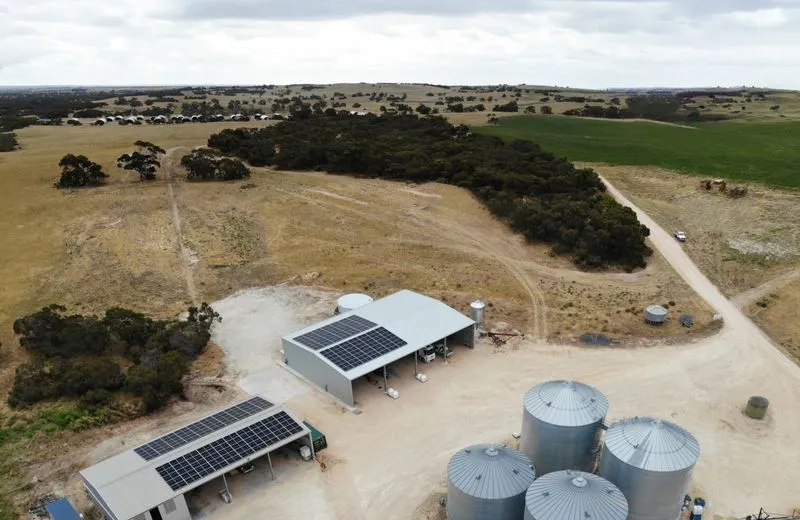
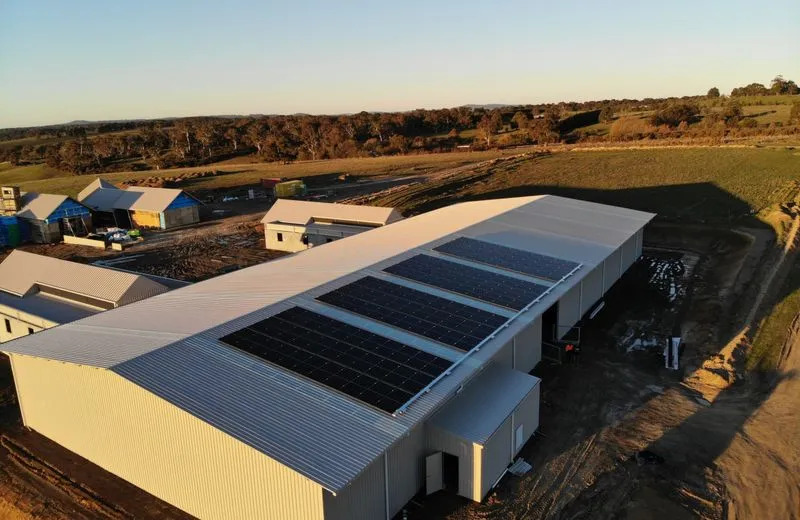
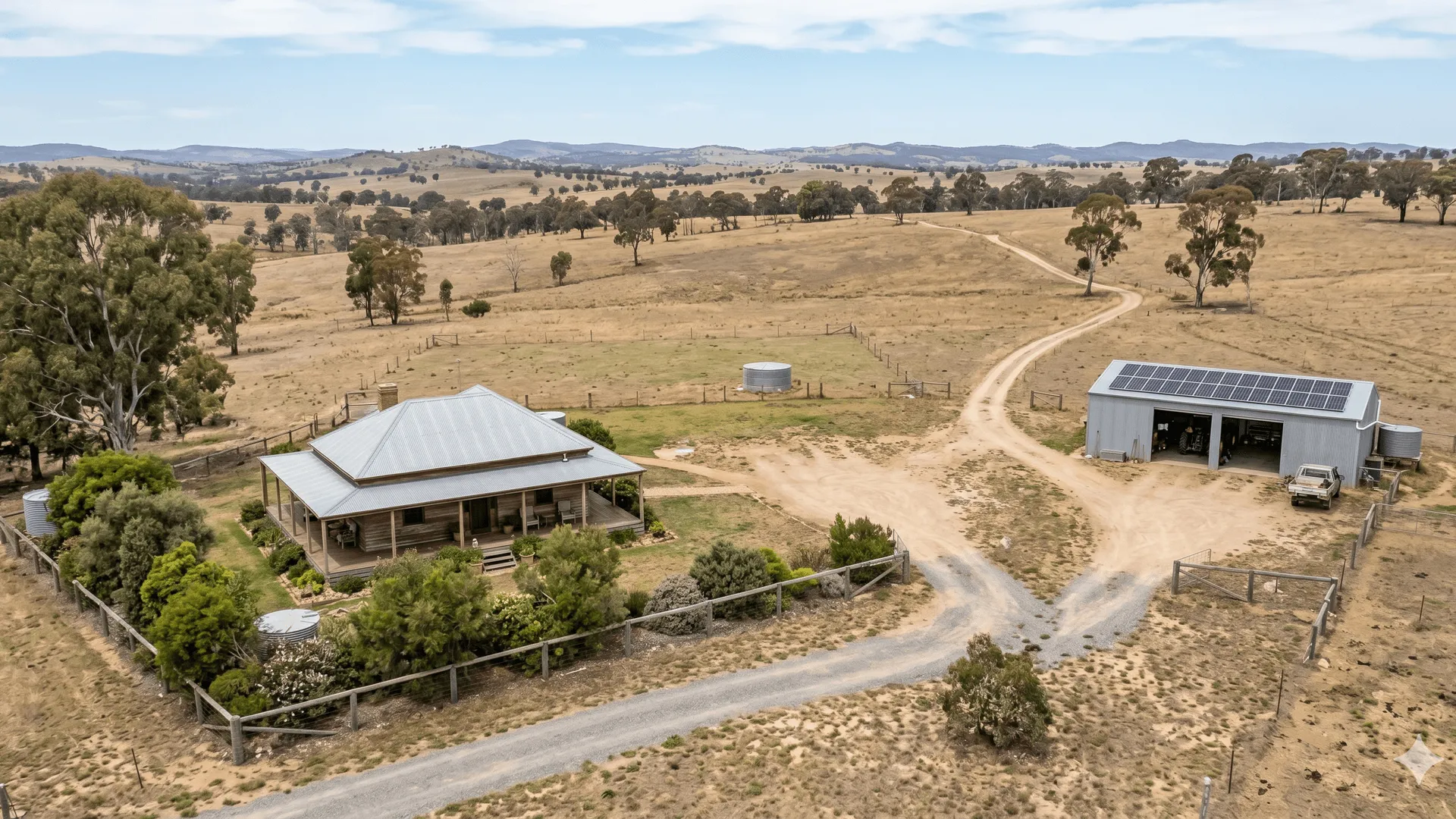
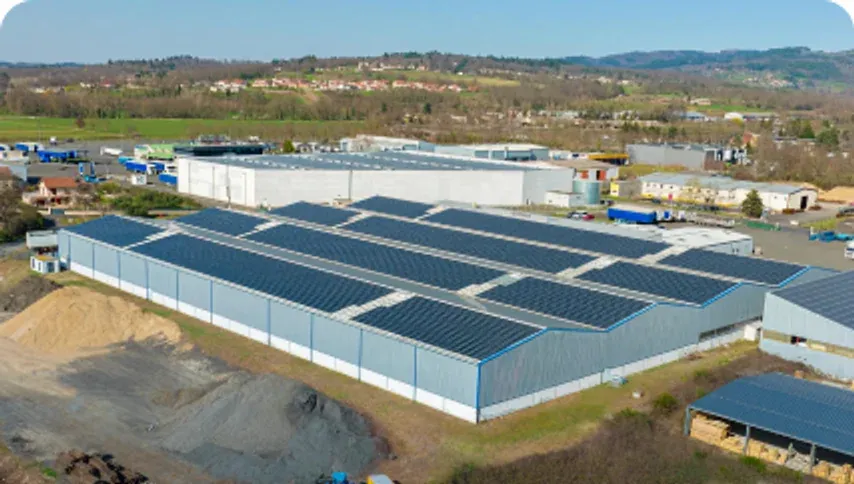
Commercial and industrial businesses, as well as non-residential premises such as schools, hospitals, community buildings, and other community organisations.
Solar PV systems between 30 kW and 200 kW capacity.
Installations must be carried out by appropriately accredited providers (through the VEU program)
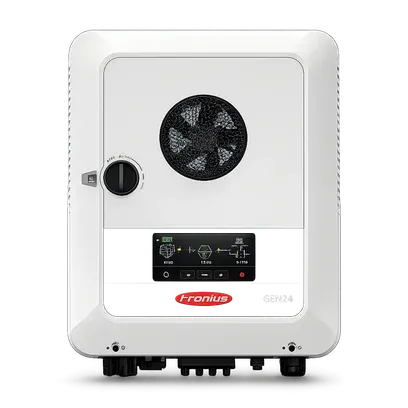
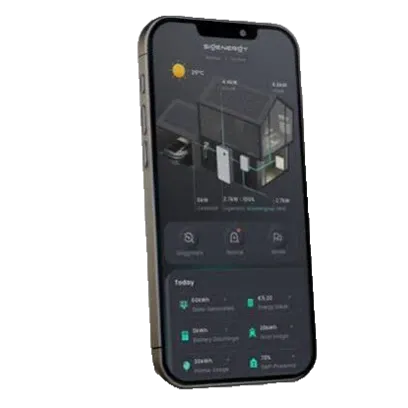
Other technical and compliance requirements must be met: minimum inverter capacity of 30 kVA, correct connection to the distribution network, only one solar PV system per National Meter Identifier, and a system monitoring portal accessible by the end user.
What's on offer how much can you save?
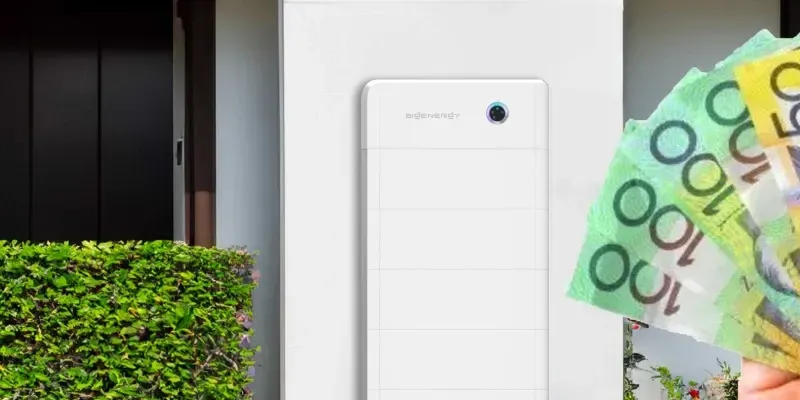
The incentive provides upfront discounts, which help lower the upfront cost barrier for businesses
For a 100 kW system, the discount can be up to AU $25,000.
For a 200 kW system, the discount can be up to AU $34,300.
These discounts can be combined with other existing federal incentives (e.g., STCs or LGCs, where eligible).
According to some estimates, combining the Victorian rebate + federal rebates + certificates could yield up to ~35% off the cost of installing rooftop solar.
Why is the government doing this?
The scheme targets roughly 57,000 “high energy-use” sites (e.g. factories, warehouses, food processors, etc.), which are responsible for nearly one-third of Victoria’s energy use.
The idea is to encourage uptake of rooftop solar in the “missing middle”, which historically has had lower uptake than household or utility-scale solar.
For a 200 kW system, the government claims it could generate around 600 kWh/day, which could result in substantial energy bill savings for the business.
Lowering businesses’ energy bills could improve cash flow – supporting jobs, business growth, and reinvestment; and help reduce emissions and overall reliance on fossil fuels.
In addition, the scheme may also support battery rebates (via federal programs) for eligible businesses, encouraging further electrification and possibly better energy resilience.
What to watch out for
Only systems 30-200 kW are eligible. Systems larger than 200 kW are not covered under this “activity-based upfront subsidy”, although they may still be eligible, but under a different “project-based” VEU pathway if applicable.
Installers must be accredited under the VEU scheme, and all electrical work must be done by licensed electricians (A-Grade).
The solar panels and inverters used must meet specified standards: listing on the approved product lists (e.g. as per Clean Energy Council approved products) and warranty requirements (at least 10 years for panels, 5 years for inverters) must be met.
Because this is a “deemed activity,” while the rebate is upfront, the regulatory and accreditation system must be properly followed — so businesses need to ensure all paperwork, approvals, and correct installation processes are in place before claiming the incentive.
What this means for Vic businesses
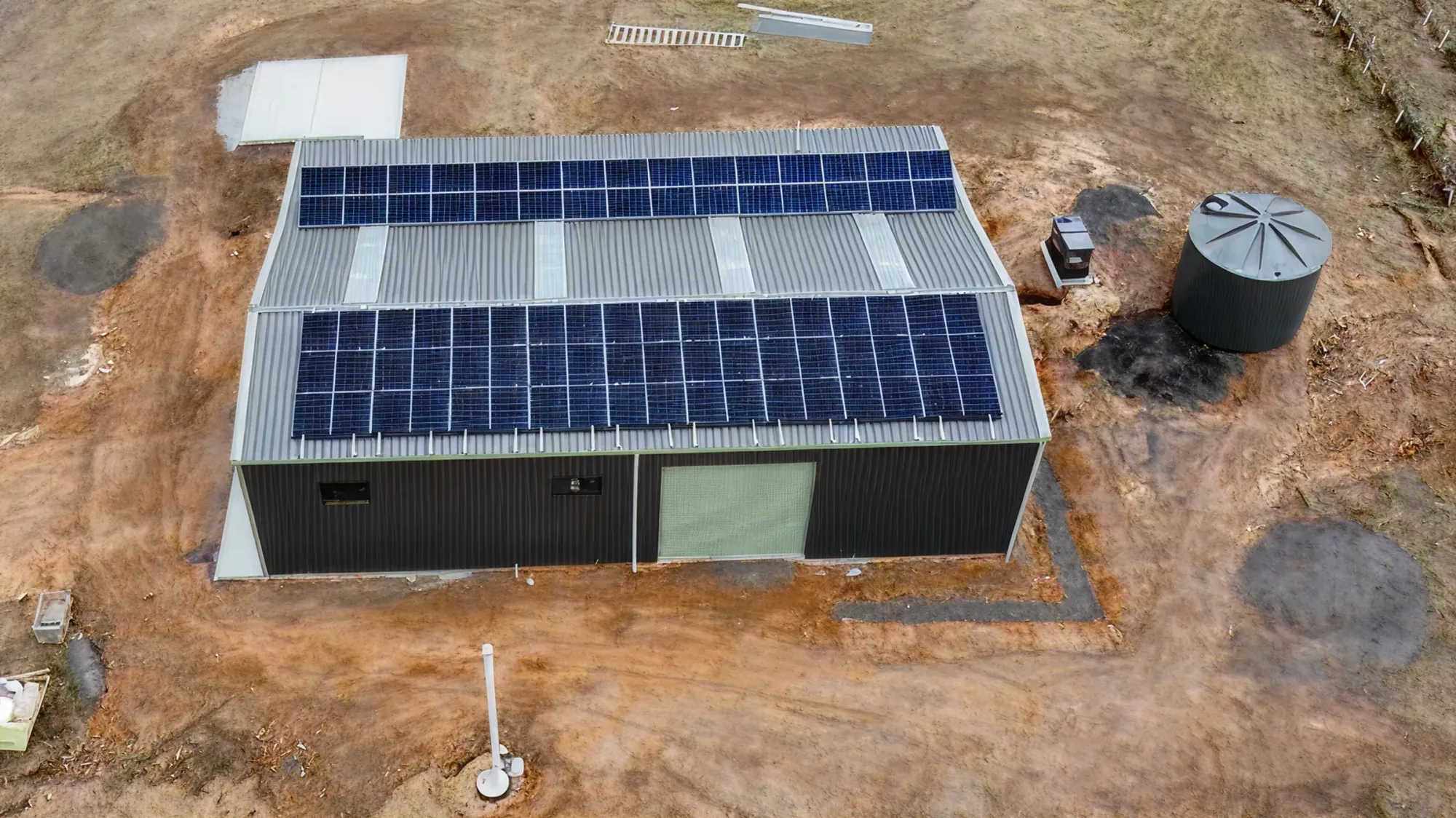
If you run a business, community centre, school, hospital, warehouse, or any high-energy non-residential site, and you have a roof or space suitable for solar, this incentive makes installing rooftop solar much more financially accessible than before.
The upfront discount helps reduce the payback period and makes solar upgrades more financially viable, which could incentivise more businesses to electrify equipment, shift away from fossil fuels, and reduce long-term energy costs.
For businesses that already use lots of electricity (manufacturing, processing, refrigeration, lighting, etc.), a 200 kW solar installation could translate into significant yearly savings.
Over time – if uptake is strong – this could help the state reduce its carbon emissions, ease pressure on electricity transmission networks, and accelerate the transition to clean energy across the “middle sector” (i.e. not large-scale solar farms, but real-world business rooftops and industrial sites).