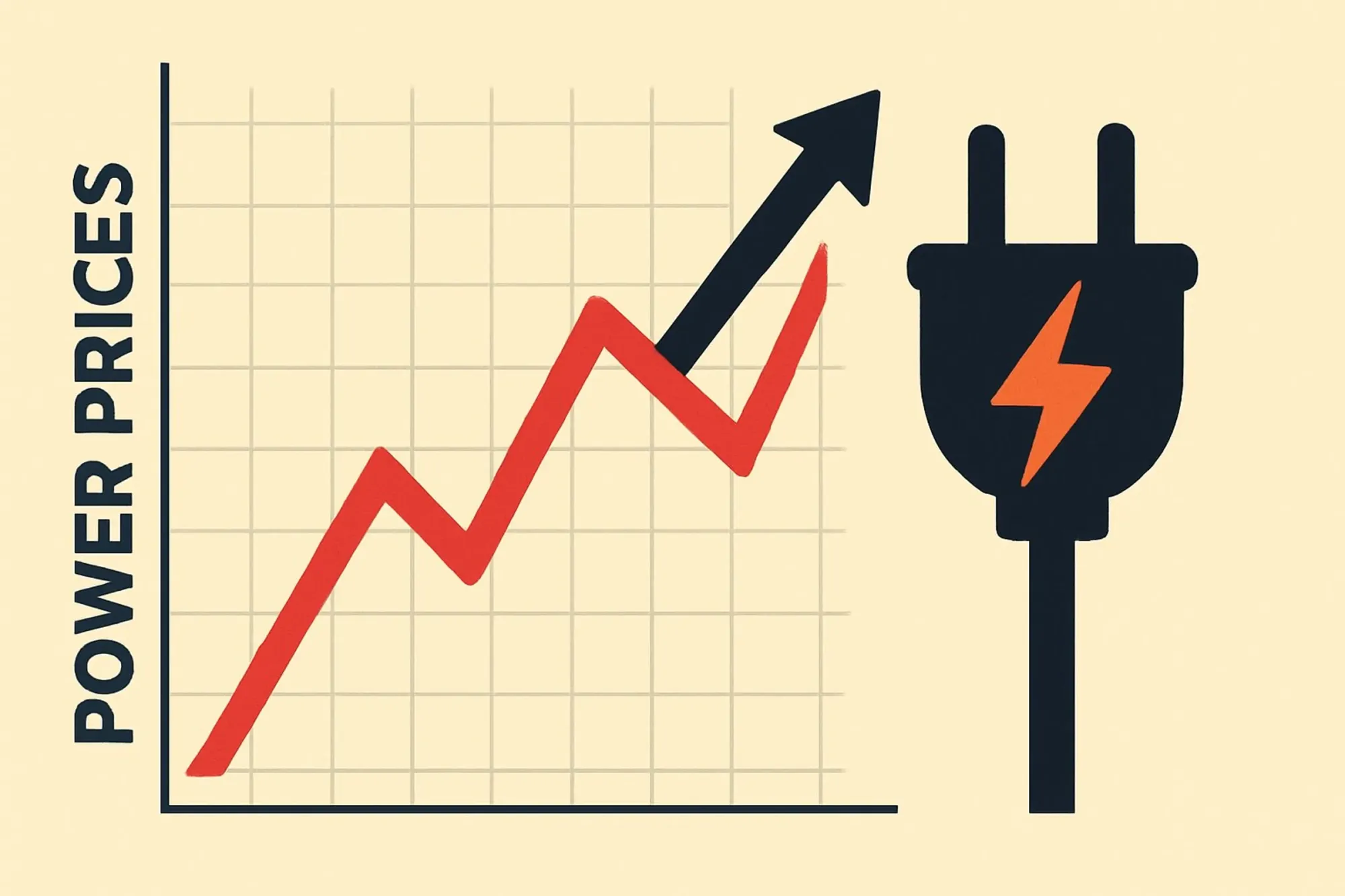
If you’ve opened your power bill lately and felt your jaw drop, you’re not alone. Despite all the talk of renewable energy, rooftop solar, and cheaper generation costs, electricity prices across Australia continue to climb. So what’s really going on? Why does electricity keep getting more expensive?
Let’s unpack how the electricity market actually works, what’s driving prices up, and why new initiatives like the upcoming Solar Sharer program might change the way Australians think about energy use.
How the National Energy Market Works
The National Electricity Market (NEM) connects most of Australia’s eastern and southern states, allowing electricity to be traded between generators, retailers, and consumers. It’s essentially a wholesale marketplace where power is bought and sold every five minutes.
Here’s a simplified breakdown:
- Generators – power stations (coal, gas, solar, wind, hydro) produce electricity and sell it into the wholesale market.
- Retailers – companies like AGL, Origin, and EnergyAustralia buy electricity at wholesale prices, add network and service costs, then sell it to consumers.
- You, the consumer – pay the final retail price, which includes generation, transmission, environmental, and retail costs — plus the retailer’s profit margin.
Wholesale vs Retail Prices — Where the Real Jump Happens
Over the past couple of years, wholesale electricity prices have actually been trending downward. The growing share of renewables, mild weather, and stabilising gas prices have helped reduce the average cost of generating electricity.
However, retail prices — the ones you see on your bill — have continued to rise. The main reasons?
- Retailer margins: Retailers set their own tariffs and often build in generous profit margins. The ACCC has found that retail costs and profits can make up as much as 25–30% of your electricity bill.
- Network costs: Poles, wires, and maintenance of an ageing grid still cost billions each year — and that cost is passed straight to consumers.
- Volatility hedging: Retailers buy electricity futures (to protect against price spikes), which adds to the cost base.
So while generating power has become cheaper, retail pricing hasn’t followed suit – leaving consumers paying more for the same energy.
Sarah Ferguson provides a great explainer here in her fact-check of Sussan Ley’s comments about power prices in late 2025: https://www.abc.net.au/news/2025-12-02/fact-checking-sussan-ley-s-claim-about-high-power-prices/106090462
The Solar Sharer Scheme — A Step Toward Smarter Energy Use
Starting July 2026, households in New South Wales, South East Queensland, and South Australia will gain access to a new government initiative called Solar Sharer. The program will require electricity retailers to offer customers three hours of free electricity each day, typically during the middle of the day when solar generation is at its peak.
The goal of Solar Sharer is to:
- Encourage daytime energy use when solar energy is abundant and cheap.
- Reduce strain on the grid in the evening, when demand and prices are highest.
- Give households more control over when and how they use power.
And for people who already have, or are considering installing, a battery system – this is where the real opportunity lies. While everyone can make use of Solar Sharer by running appliances like washing machines, dishwashers, or EV chargers during their free window, battery owners can take it to the next level with clever charging schedules and automations. It’s a practical example of how technology and policy can work together — and it highlights the growing value of home storage systems in Australia’s evolving energy market.
Why Electricity Prices Are Still Expected to Rise Without Intervention
Several broader factors will keep prices under pressure:
- Grid upgrades – billions are being spent to replace old infrastructure and connect new generation.
- Reduced competition – many smaller retailers have exited the market, leaving the big players with more control.
- Inflation and maintenance costs – rising costs across all sectors feed into energy pricing.
Grid-based electricity is a complex, costly system — and one that consumers have little control over.
The Alternative — Taking Control of Your Energy Future
For many Australians, these ongoing price hikes and policy changes are the final motivation to invest in energy independence. An off-grid solar and battery system allows you to:
- Produce and store your own power — no retailer required.
- Avoid price rises and peak tariffs entirely.
- Enjoy blackout protection and energy security year-round.
Whether you’re building on a rural block, running a business that needs reliable power, or simply tired of watching your electricity bill climb, going off-grid puts you back in control — and keeps you ahead of the energy curve.
At Off-Grid Energy Australia, we’re here to help you take that step — towards freedom, independence, and a future where your energy is truly your own.