

Batteries. They power our phones, our cars, our homes, and, occasionally, the fiery debates on whether they’re safe. If you’ve ever read a headline about an e-scooter igniting in someone’s hallway, you might wonder, “Are my home batteries safe?”
Spoiler alert: Yes, they are. Let’s dive into the science and bust some myths along the way.
What Makes a Battery Catch Fire?
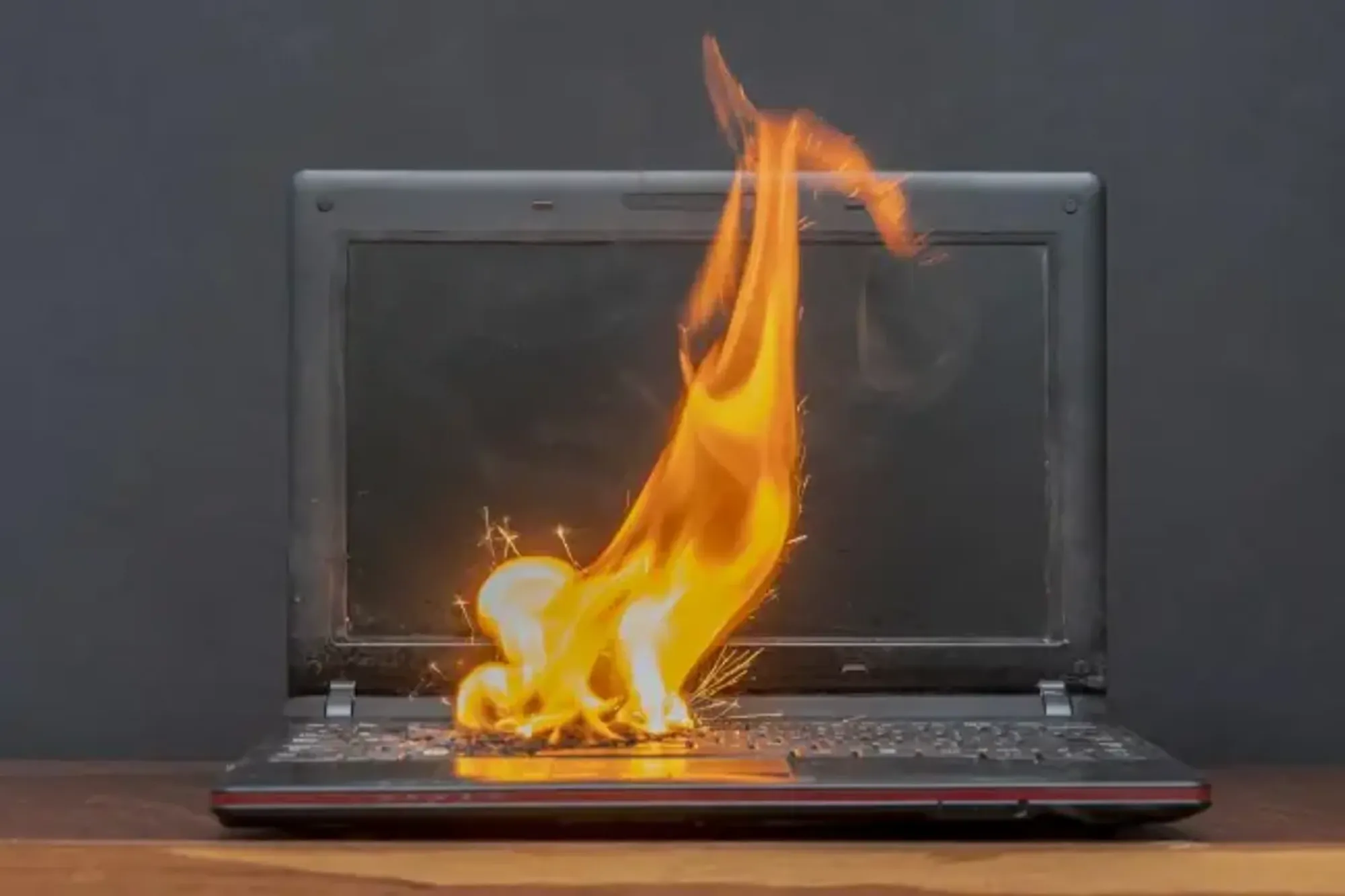
At the heart of the issue is a phenomenon called thermal runaway. Sounds dramatic, right? That’s because it is. Thermal runaway occurs when a battery cell overheats, triggering a chain reaction that causes other cells to overheat, leading to – you guessed it – fire.
But how does this happen? Common causes include:
- Damage: Physical impacts (like dropping your phone or an EV crash) can puncture a battery cell.
- Overcharging: Charging a battery beyond its capacity can create excessive heat.
- Poor Design: Cheap, poorly made batteries can lack the safeguards to prevent overheating.
Now, let’s get to the root of the concern: not all batteries are created equal.
Battery Density: E-Scooters vs. Home Batteries
When it comes to batteries, density is key. Energy density is how much power you can pack into a given space.
- E-Scooters: These batteries are designed for portability and high performance. That means they’re incredibly energy-dense, which increases the risk of overheating if not properly managed. Imagine a can of soft drink shaken up, fine until you open it, then it’s a messy explosion when you do…or give it to a friend as a joke.
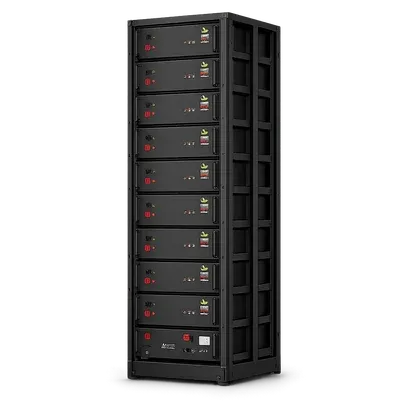
- Home Batteries: These are like the more chill older sibling of e-scooter batteries. Designed to be stationary, home batteries prioritise safety, longevity, and stability over raw energy density. They’re built with additional cooling systems, robust housing, advanced monitoring to keep them safe and reliable, and some even have built-in extinguishers.
In short, your home battery is less like a sports car and more like a dependable family sedan.
Quick facts:
- According to EV FireSafe, there have been just 6 battery fires in Australia out of more than 180,000 EV’s on the road, 3 of which were unrelated to the vehicle e.g. road collision
- According to Swinburne University, fire risk for an ICE vehicle is 20-80 times higher than that of an EV.
- CEC approval stipulates minimum home battery standards and testing in Australia.
Why Do Most Home Battery Fires Start?
While rare, home solar and battery fires usually have more to do with how the system is installed than the battery itself. Common causes include:
- Poor Installation: Inadequate wiring, insufficient ventilation, or unqualified installers can lead to overheating.
- Cheap Components: Cutting corners with low-quality inverters, panels and batteries can introduce risks.
- Lack of Maintenance: Dust, debris, or faulty connections can create heat buildup over time.
How Off-Grid Energy Australia Keeps You Safe
At Off-Grid Energy Australia, we take safety seriously. All our systems are designed with fire prevention in mind, featuring:
- High-quality, rigorously tested battery systems.
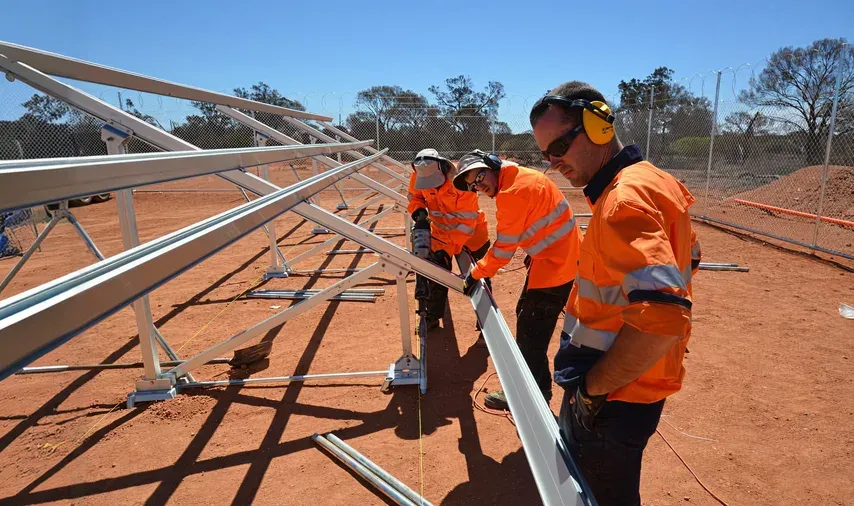
- Professional installation by experienced technicians.
- Advanced monitoring to detect and address issues before they become problems.
So, Are Batteries Safe in Homes?
Absolutely. The key is to invest in quality components, ensure professional installation, and practice good maintenance. Don’t let sensational headlines scare you away from the benefits of battery storage. The reality is, when done right, home batteries are one of the safest, most efficient ways to power your life sustainably.
If you’re ready to power your home with a battery system that’s built for safety and longevity, contact us at Off-Grid Energy Australia. Together, we’ll help you live off-grid – without the drama.