Still Running on Diesel?
If you’ve seen any news report lately, you know the numbers at the bowser aren’t just high, they’re historic. March and April this year have seen diesel prices surge past $2.50 per litre in many regions.
For those living off-grid, this isn’t just a ‘commute’ problem. It’s a ‘keeping the lights on’ problem. If your home or station is powered entirely by a diesel generator, you aren’t just paying for electricity; you’re paying a ‘volatility tax’ that is only getting more expensive.
Diesel vs. Solar in 2026
Relying on a diesel-only setup in the current climate is like trying to fill a bucket with a hole in the bottom. Here is how the landscape has shifted:
|
Diesel Generator Only |
Off-Grid Solar + Battery |
|
|
Fuel Cost |
$2.40+ per litre and rising |
$0.00 (The sun doesn’t send a bill) |
|
Maintenance |
Frequent oil changes & mechanical repairs |
Minimal (Solid-state, no moving parts) |
|
Noise & Fumes |
Constant 24/7 hum and exhaust |
Silent and clean |
|
Reliability |
Dependent on fuel deliveries/road access |
Energy independence at your doorstep |
The Math of a Surge
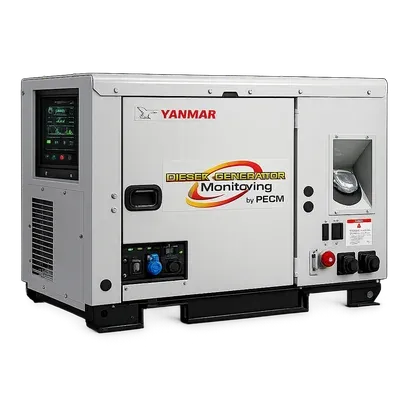
A standard 8 kW diesel generator running a moderate off-grid load can easily consume $4,000 to $6,000 in fuel annually at today’s prices. That doesn’t include the cost of transport for the fuel or the inevitable mechanical servicing.
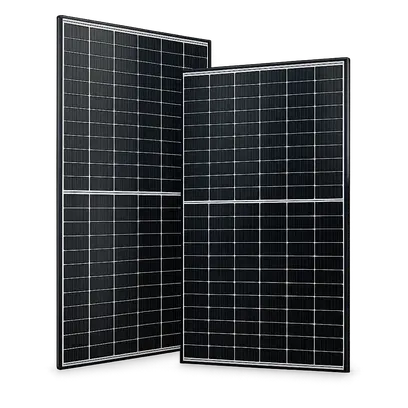
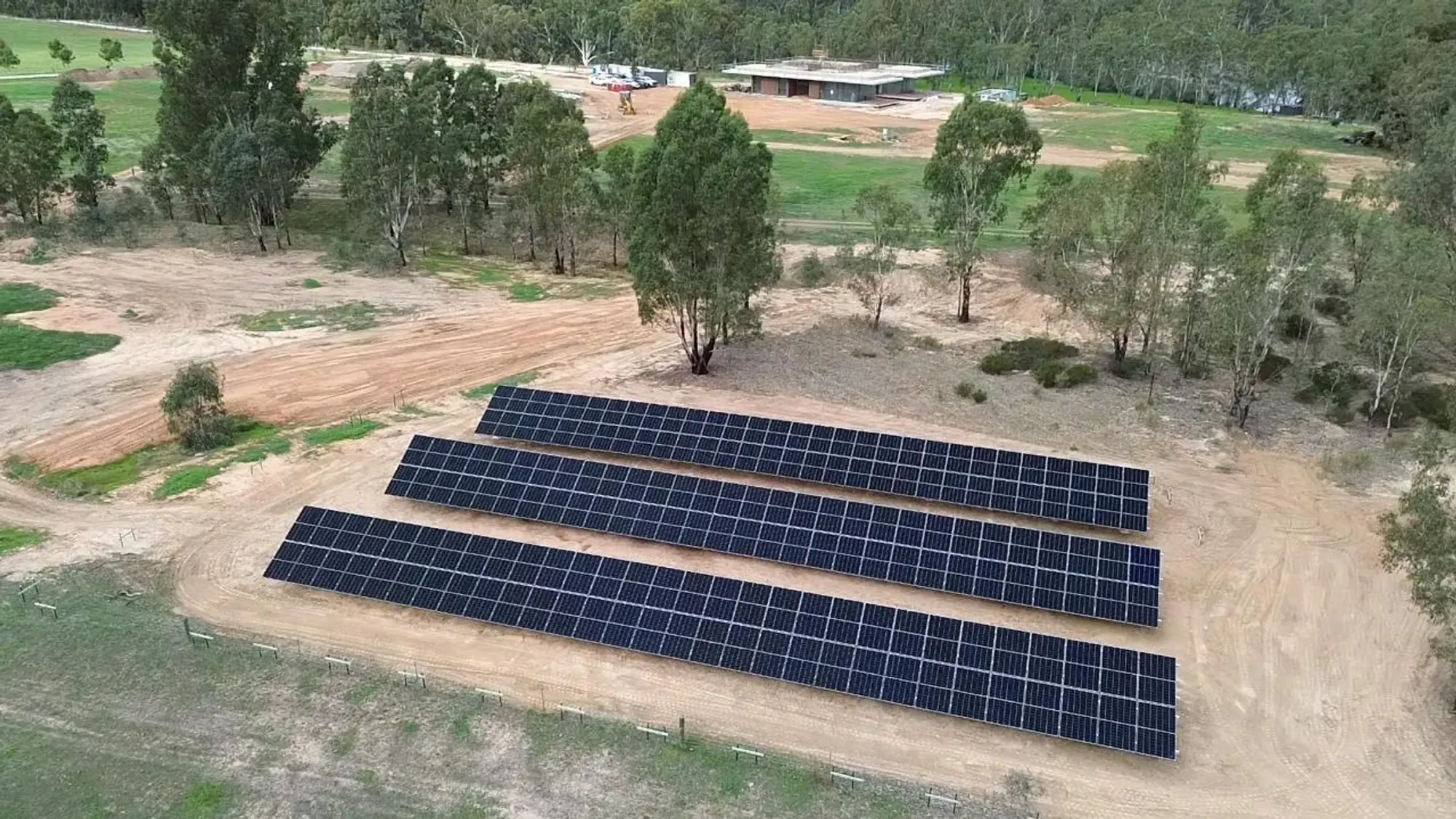
In contrast, a mid-sized off-grid solar and battery system has an upfront cost typically ranging from $40,000 to $50,000 – with the payback period shrinking every time the price of crude oil ticks upward.
Why Now is the Time to Switch
1. Energy Security is No Longer Guaranteed
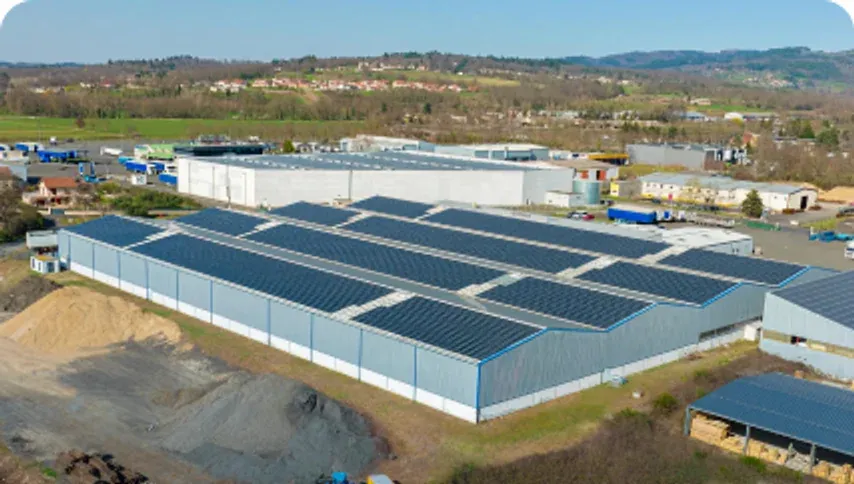
Recent weeks have shown how quickly international conflicts can disrupt local supply. If fuel trucks can’t get through or if prices double again, your home’s power is at risk. A solar-plus-battery system turns your roof into a private power station.
2. Battery Technology has Matured
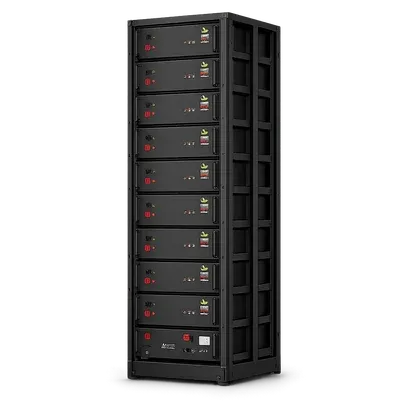
We are no longer in the era of high-maintenance lead-acid batteries. Modern Lithium (LiFePO4) systems are modular, last for 10+ years, and require zero ‘watering’ or venting like old-school batteries did.
3. Quiet Luxury
Beyond the dollars and cents, there is the lifestyle. Imagine waking up to the sound of birds instead of a 3,000-RPM engine. No more hauling heavy drums, no more diesel-stained hands, and no more worrying if the generator will start on a cold winter morning.
The Middle Ground
You don’t have to scrap your generator entirely. In fact, most robust off-grid systems keep the generator as a backup.
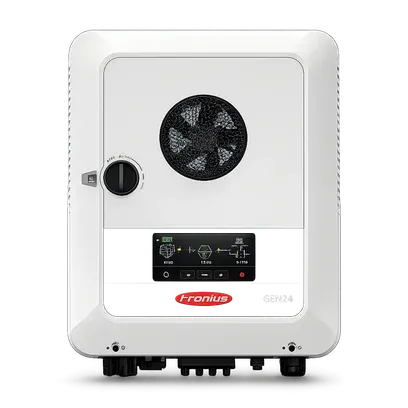
By installing a smart inverter, your system will prioritize solar and battery power first. The generator only kicks in during a week of heavy rain or a massive power spike. This can reduce your diesel consumption by 90% or more, meaning a single tank of fuel could last you an entire year instead of a single week.
In 2026, diesel is a high-expense fuel – but off-grid solar is a cheap luxury.